
Hello 2026 Cohort!
The homework for classes from March 16 to 20 is below. Next to each assignment is the recommended amount of time to complete it with proper quality.
Q&A
Several of the questions asked about the syllabus have been answered and may be viewed at the link. If your question was not answered, let me know via email or in class! https://www.brendenleeteacher.com/supplemental
Textbooks
Day ONE
Mon/Tue
Wordly Wise 3000, Book 6
Great Writing 5
Day TWO
Thu/Fri
Wordly Wise 3000, Book 6
Understanding and Using English Grammar
myPerspectives
Lift 3
STATIONERY

Notebooks for grammar, writing, reading, debate
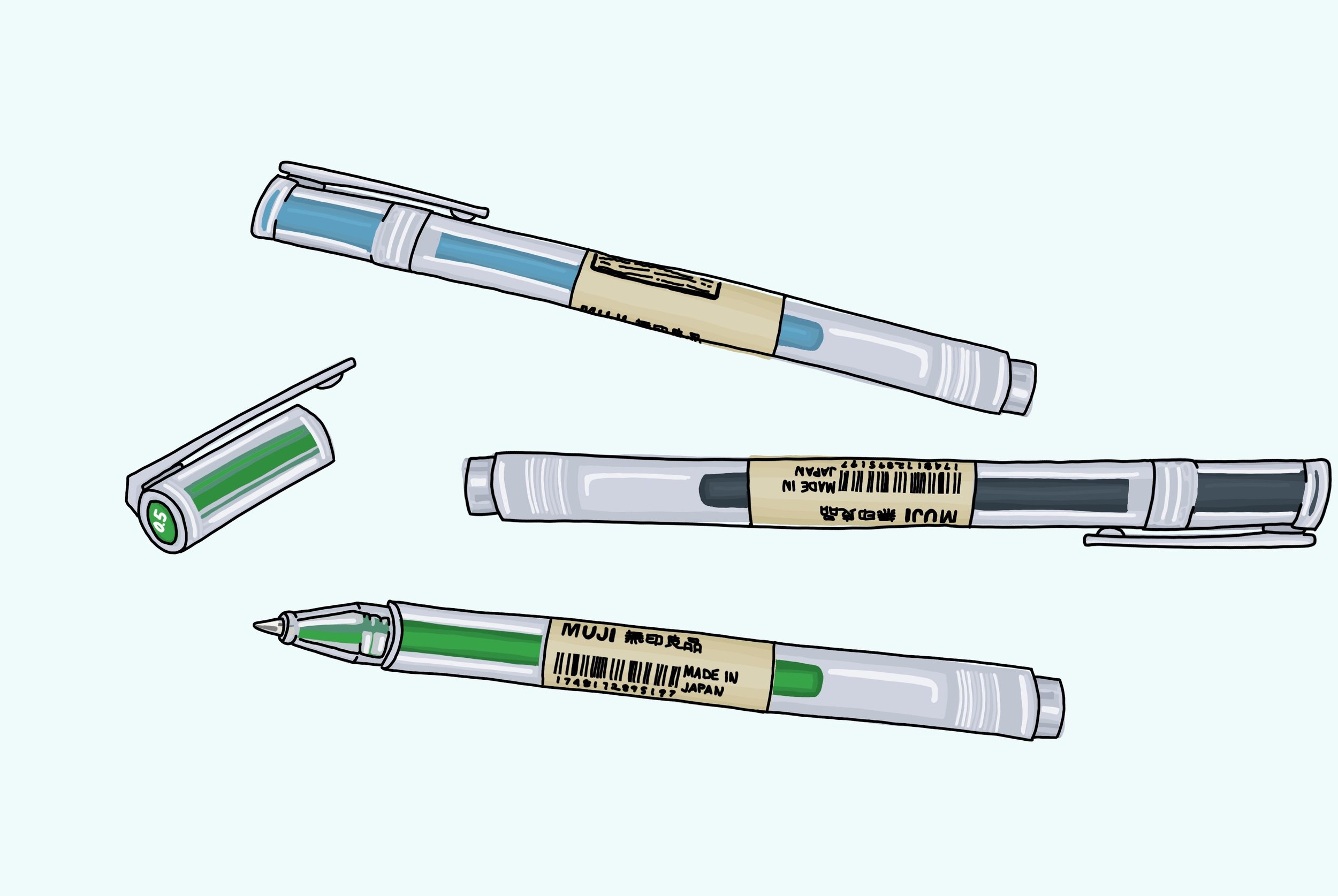
Pencil and pen

Highlighter
Mar. 16–17 //
Work Time: 75+ min.
JOURNAL (15+ min.)
Respond to Journal #211. www.brendenleeteacher.com/index
Responses must be 100% original and 100 words or more. Any AI-generated text for this task violates PEAI policy.
If you did not write the Journal response in class, you may do so at home.
VOCABULARY (30+ min.)

We will play Kahoot in class to review the vocabulary for the summative test. If you’d like to play, please bring a device to class (e.g., laptop, tablet). This is optional.
Complete the Crossword Puzzle (p. 95) in Wordly Wise 3000, Book 6.
Study for the summative test.
A PDF of the word list may be downloaded HERE.
Quizlet Set: https://quizlet.com/276141662
PRESENTATION (30+ min.)
You may bring a laptop or tablet to day one class (Monday/Tuesday) to work on your PechaKucha. This is optional.
You may type a final draft of your speech, but are not required to do so.
Complete slides 1–4 of your PechaKucha. Be prepared for rehearsal! You may use your outline during rehearsal. Bring your presentation file to class: (a) Share it with brendenleeteacher@gmail.com, (b) AirDrop, (c) Bring it on a USB drive. Slide requirements:
2+ slides: personal photo with your face visible
1–2 slides: gif or cinemagraph
Sized 16:9 (widescreen)
To set slides to transition automatically:
Canva: Click on a slide. At the top, click the clock icon “Edit timing”. Set the timer to 20 seconds.
Keynote: Select all of the slides. Click on the Animate tab. Set “Start Transition” to “Automatically” and “Delay” to 20 seconds.
PowerPoint: Select all of the slides. Click the “전환” tab. Set the timer on the right side labeled “다음 시간후” to 20 seconds.
Slide Notes ☝️
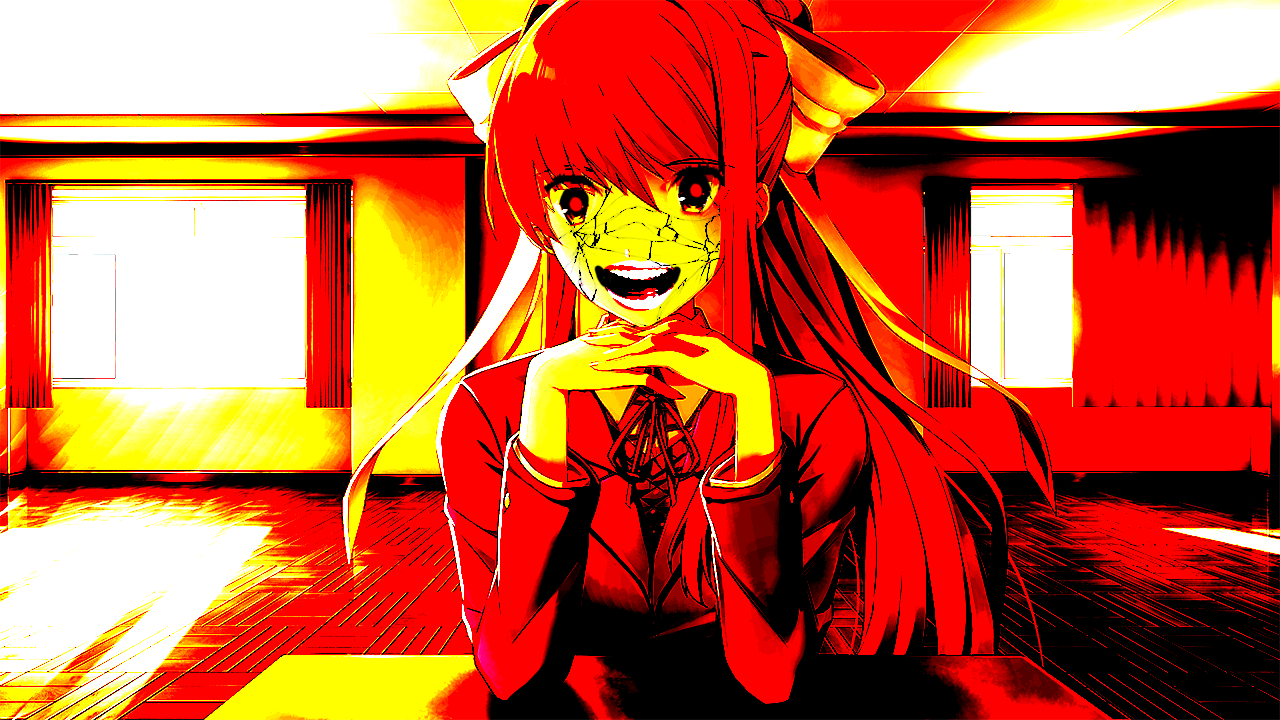
Get their attention from the very first slide.

Do not use pictures with watermarks.
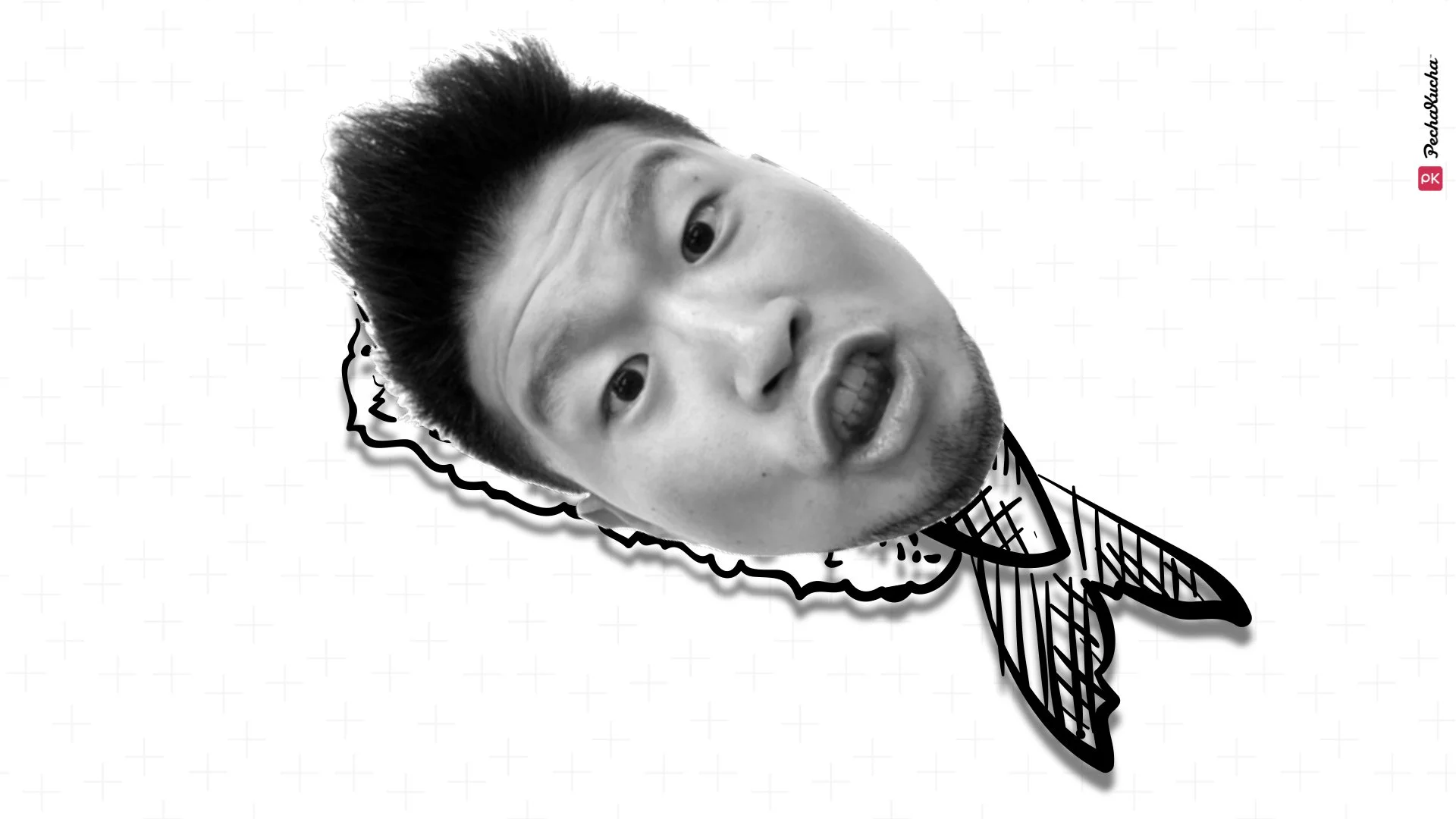
Be creative with the way you use personal photos.

Use real-world photos.

Use gifs and cinemagraphs to complement your speech.

Use png pictures as “stickers.”

You can use png gifs, too.
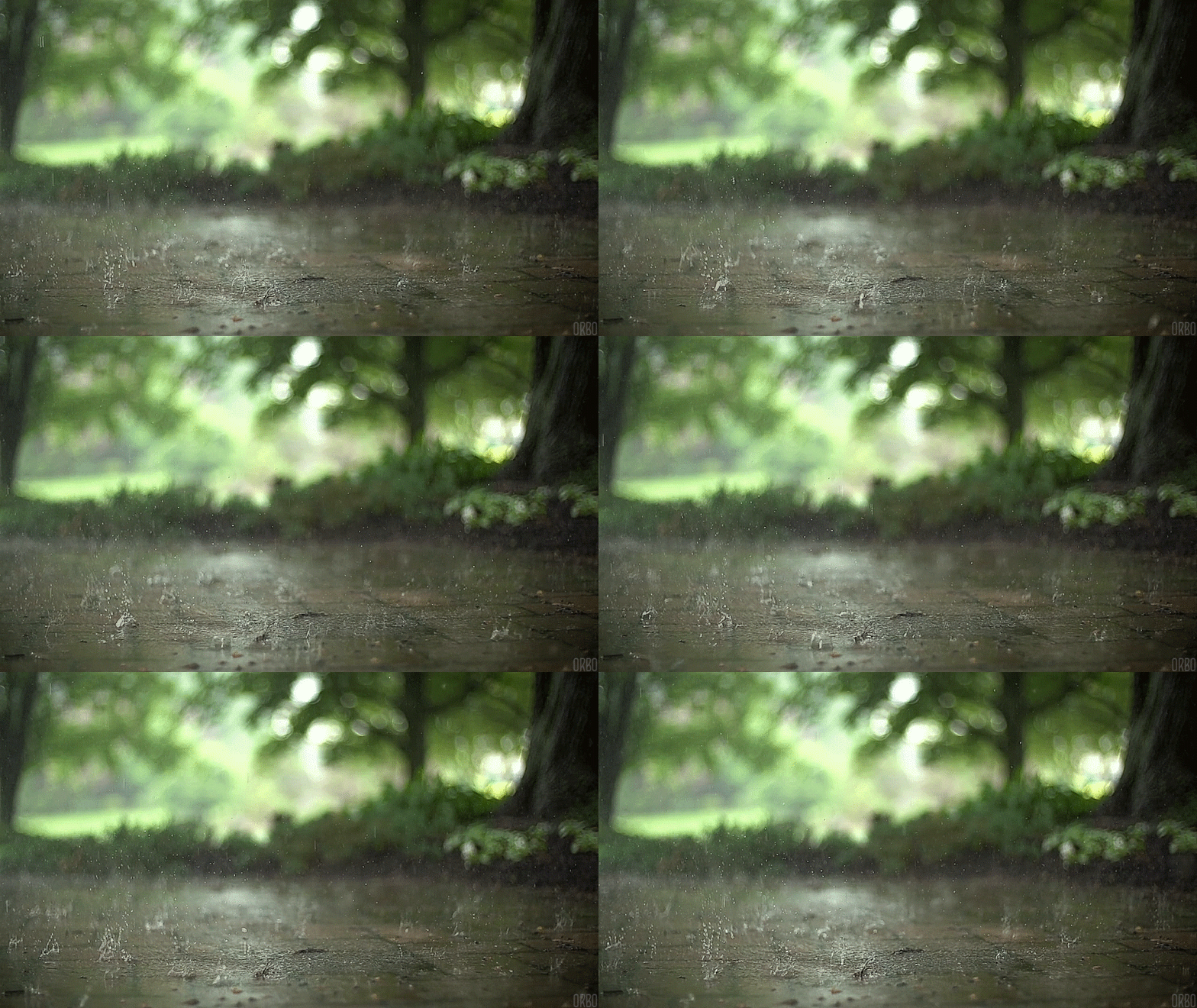
The front of the classroom is your stage.
Visual Resources
removebg.com
tenor.com
unsplash.com
pexels.com
kaboompics.com
librestock.com
wallhaven.cc
cleanpng.com
NOVEL (0 min.)
None
Tests
Vocabulary Test SUMMATIVE (fill-in-the-blank, picture matching, multiple choice, definition)
Lessons 5–8 (WW 3000 Book 6)
Mar. 19–20 //
Work Time: 25+ min.
VOCABULARY (0 min.)
None
GRAMMAR (10+ min.)
Complete Practice 9–14 (pp. 45–49) in Understanding and Using English Grammar Fifth Edition.
READING (0 min.)
None
DEBATE (15+ min.)
Create a two column chart in your debate notebook. In the lefthand column, write notes about the argument. Use bullet points, abbreviations, symbols, etc. In the righthand column, write rebuttal of the argument.
THW enact child curfews
Over 300 US towns have passed local curfew laws making it illegal for youths to be out-of-doors between certain publicized times. In most cases cities imposed nighttime curfews, but a 1997 survey indicated that approximately one-quarter had daytime curfews as well. All curfews are aimed at proactively reducing juvenile crime and gang activity. Officials also see curfews as a way of involving parents and keeping young people from being victimized. Opponents say the curfews violate the rights of good kids to prevent the actions of a few bad ones.
A1. The use of curfews can help protect children.
Not all parents are responsible, inevitably their children suffer, both from crime and in accidents. Society should ensure that such neglected children are returned home safely and that their parents are made to face up to their responsibilities.
At night, more likely to fall into bad habits. e.g., smoking, drinking alcohol, petty theft
Children need 8+ hours of sleep per night to be properly rested
Children easily disoriented at night, get lost easily
Much easier for kidnapping to occur at night with fewer witnesses, police presence
In 2016, according to KNOEMA, more than 400,000 kids kidnapped in South Korea
Children are at a critical stage of physical development; being out in the dark can damage eye sight
Children have no good reason to be out unaccompanied late at night, so a curfew is not really a restriction on their liberty. Right for freedom of movement still intact, just within the child’s home
Tests
None
Please do not use the PEAI message system; I do not check it. Instead, send me an e-mail if you have any questions or concerns and I will get back to you on weekdays within 24 hours!
-Brenden Lee Teacher
e-mail: brendenleeteacher@gmail.com